
Substance Use Disorder And Divorce Substance Abuse April 27, 2022 – Posted in: Sober living
Beyond the anxiety, stress, and worry that a sober spouse endures with daily drinking, they often experience traumatic events ranging from abuse, deceit, mental health issues like depression, and more. Addiction is often linked with other mental health issues, which can complicate divorce proceedings. Mental health evaluations may be necessary to assess the fitness of a parent in custody cases or to address any co-occurring disorders. Children with a parent struggling with addiction also experience additional stress and emotional turmoil. The presence of addiction can lead to ongoing conflict even after the divorce, affecting children’s well-being and their relationship with both parents. These family therapies might include support groups for couples or even children of addicts.
Marriage trends show that social institutions can change quickly
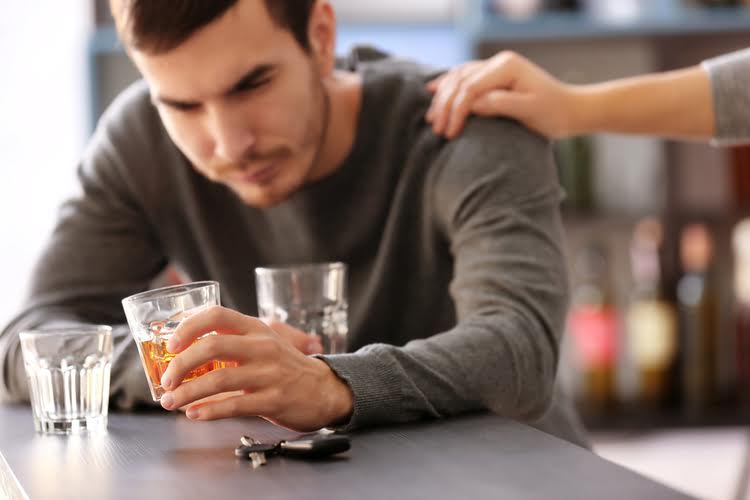
Even when the addiction is exposed, as it worsens, it can create conflict, emotional detachment, and resentment. These factors can place immense strain and irreversible rifts on otherwise healthy relationships that can ultimately lead to divorce. Marital problems create stress, and some individuals might increase their drinking in response. Whisman et al. (2006) examined almost 1700 married men and women without a current alcohol disorder. Over 12 months, baseline marital dissatisfaction predicted the occurrence of an alcohol disorder after controlling for lifetime alcohol disorders, although separate analyses by gender could not be conducted.
- Our skin was worn so thin from years rubbing each other the wrong way that the slightest abrasiveness was enough to send us reeling.
- Sometimes you have to move backward before you can ever hope to go forward.
- In some states, a person might file for divorce because of the fact that there is a substance abuse present.
Distal drinking patterns and intimate partner violence

Anger, resentment, guilt, hurt, dependency, and blame typify these relationships, and that doesn’t necessarily change with sobriety. The cause is not the drug use, but the underlying codependency of both spouses and its symptoms. Toxic shame is at the core and leads to most of the dysfunctional patterns and conflicts. (To understand the impact of shame on relationships and codependent symptoms, see Conquering Shame and Codependency). Partners eventually need to heal deeper issues of shame and learn to be autonomous and communicate assertively. See How to Speak Your Mind – Become Assertive and Set Limits and How to Be Assertive.
If your partner has a problem with drugs or alcohol—and you want to be with this person—getting him or her to enter treatment is the best thing you can do for yourself and your relationship. Another factor in the correlation of substance use and divorce involves fertility. Drug use can negatively impact fertility; infertile couples are three times more likely to divorce. Drug use can also negatively impact sex drive; couples in a sexless relationship are less happy and more likely to consider divorce. Completing rehab is a significant step, but it’s not a guarantee of any outcome. Courts also want to see ongoing aftercare, continued negative tests, and active engagement with parenting responsibilities.
Same-sex marriage has become possible in many countries
It may be that excessive drinking is not as contentious among couples in which both partners are heavy drinkers, in contrast to couples in which one partner is not a heavy drinker. It is also plausible that drinking together serves as a positive relationship event for concordant heavy drinkers but not for discordant couples. However, the impact of a young adult cancer on marital outcomes may be unique due to the complex lifestyle and social changes that occur during young adulthood. Marriage can bring significant social and emotional support to young cancer patients as well as provide important resources during treatment and recovery through a spouse’s income and health insurance coverage.

Getting Help for Your Spouse
Even after the divorce is finalized, your commitment to sobriety remains critical—especially if you want to avoid future custody modifications. Florida allows custody arrangements to be revisited if there’s a “substantial change in circumstances,” which can include relapse. Conversely, ongoing sobriety can also serve as grounds for modifying a restrictive visitation order to gain more unsupervised time with your child. Therefore, continuing the practices that helped you prove sobriety in the first place—like regular meetings, counseling, and voluntary testing—can safeguard your parental rights in the long run. Lastly, an experienced attorney can also help you negotiate out of court.
Treatment success can make a difference, but again, judges will want to make a decision that protects the children. These data also indicate an association between being a parent and reductions in frequency of drinking and frequency of heavy drinking from prepregnancy among both men and women. This association was not explained by marital status for frequency of drinking, but was explained by marital status for frequency of heavy drinking. There were reductions in both alcohol variables for single mothers, but not for single fathers (Bachman et al. 1997).
Can I Drink and Still Have a Happy Marriage?
Divorce can feel like the end of the world, but it’s actually the beginning of a new chapter—one in which you can cultivate the healthier, more fulfilling life you deserve. That’s particularly true if you’ve struggled with addiction or substance misuse in the past. The emotional upheaval of a divorce can be incredibly triggering, even for someone with years of sobriety under their belt.
Often, there is a “honeymoon” period when they’re on their best behavior and reaffirm their love and commitment. After all that they’ve been through together, they have high hopes for a rosy future and easier times ahead. Yet, sobriety destabilizes the status quo, and the longer partners are together, the more their patterns become entrenched.
Does alcohol impact the outcome of divorce?
Through counseling and therapy, couples can learn effective communication skills, rebuild trust, and address underlying issues that may have contributed to the addiction. Through therapy, couples can also work on rebuilding intimacy divorce rates after sobriety in their relationship. This may involve setting boundaries and learning how to express needs and expectations in a healthy way. As communication improves, honesty and trust are slowly restored, creating a stronger foundation for the marriage. Have you and your partner been through difficult times together and come out stronger?
- They evaluate either parents’ “habitual or continual abuse of alcohol” in assessing their ability to care for them.
- Outside of work, he divides his time between family, basketball, and rock climbing.
- If you previously shared bills or relied on a spouse’s income, managing everything alone can feel daunting.
- For example, organizing financial documents helps understand one’s financial situation and make informed decisions during the divorce.
Involving partners in treatment—at some point in the process—can be essential in helping treatment succeed. When someone struggles with addiction, they may withdraw emotionally from their partner, leading to isolation and loneliness. Their mood swings and irritability can make it hard to connect with their partner, leading to a breakdown in the relationship. Codependent relationships often walk hand-in-hand with enablement—as the caretaker will often try to cover what is Oxford House for the addict or resolve their issues instead of allowing their loved ones to face the consequences of their actions. Reduced trust usually leads to other issues such as anger, jealousy, fear, and resentment.
Open communication, rebuilding trust and intimacy, and ongoing support are key factors in maintaining a healthy marriage after rehab. If both partners are committed to each other and their shared goal of sobriety, there is a chance for a lasting and fulfilling relationship. Addiction also has financial implications that can greatly impact a marriage. Individuals struggling with addiction may spend excessive amounts of money on their substance or behavior of choice, leaving little for important household expenses such as bills and groceries. This can put significant strain on the couple’s finances and lead to arguments over money matters. Additionally, if one partner loses their job or is unable to work due to their addiction, it places further stress on the relationship as the burden falls on the other partner https://xebedat.com/2021/12/15/99-sober-activities-to-enjoy-instead-of-drinking/ to support both themselves and their spouse.